Archie Boyd Teater Painting
Collection
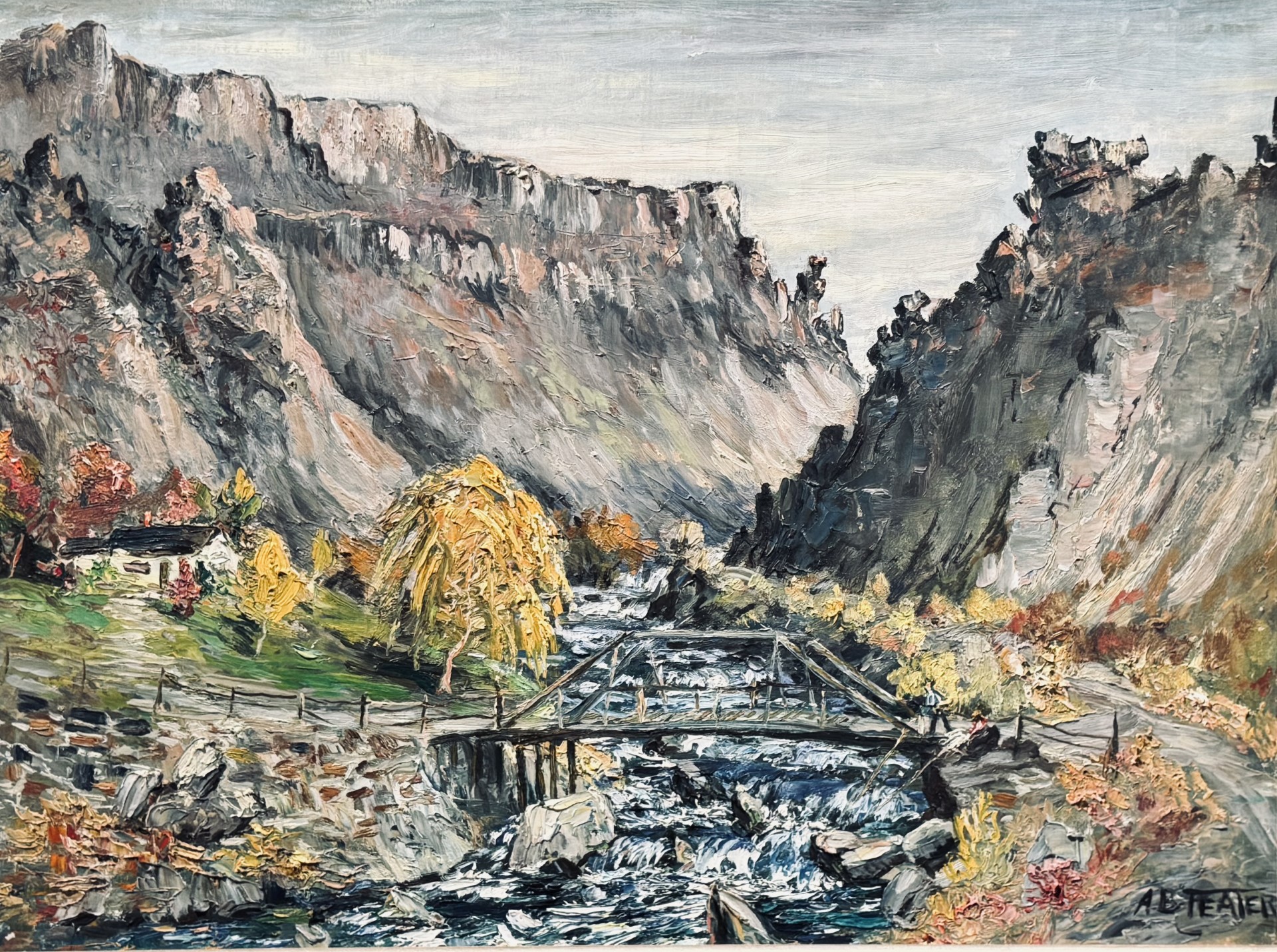
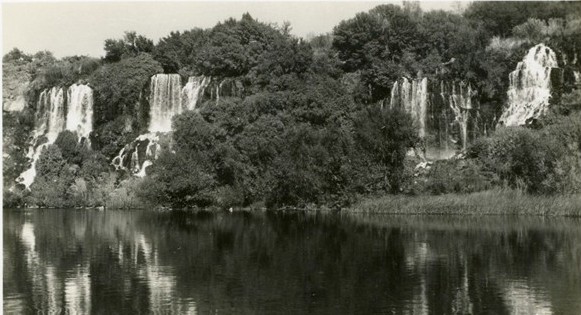
Untitled, c 1940 | Oil on canvas | Malad Canyon in the Hagerman Valley
Archie Teater was a 20th century landscape and genre painter who maintained a presence in the Hagerman Valley in Idaho throughout his life. His paintings span many genres from landscapes to portraits while chronicling a particular moment of transition in the history of the American West. The Battle of Greasy Grass (Teater’s spelling) is a historically significant piece donated to the Society by the Mayo Clinic, and is on permanent display in the museum.
In 2016, HVHS obtained a donation of over 650 paintings by Archie Teater from the Idaho Community Foundation. In 2024, HVHS presented their inaugural exhibition from this collection,Archie Boyd Teater: A Life Through Painting. HVHS plans more exhibitions of the Archie Boyd Teater Painting Collection at Gallery 111 in the future.
Snake River Pottery
Collection

Celebrating Snake River Pottery, the Legacy of Di and Drich Bowler
Di and Drich Bowler began Snake River Pottery in 1947 and it continued until Drich’s death in 2007, spanning 60 years. Using local clay and glaze materials, they created pottery in a style they called “domestic earthenware”.
They were artists, educators, advocates, and conservationists who led lives of purpose, and service from their pottery studio on the Snake River. The Bowlers were known and respected for a broader commitment to Idaho art and artists.
In 2024, the Bowler family made a significant donation of Snake River Pottery pieces to the HVHS. In 2026, HVHS opened the first Snake River Pottery exhibit, Celebrating Snake River Pottery, the Legacy of Di and Drich Bowler, with pieces from their own collection and from pottery and archives on loan from the extended Bowler family.
Sheldon Zadock “Doc” Thayer Photo Collection
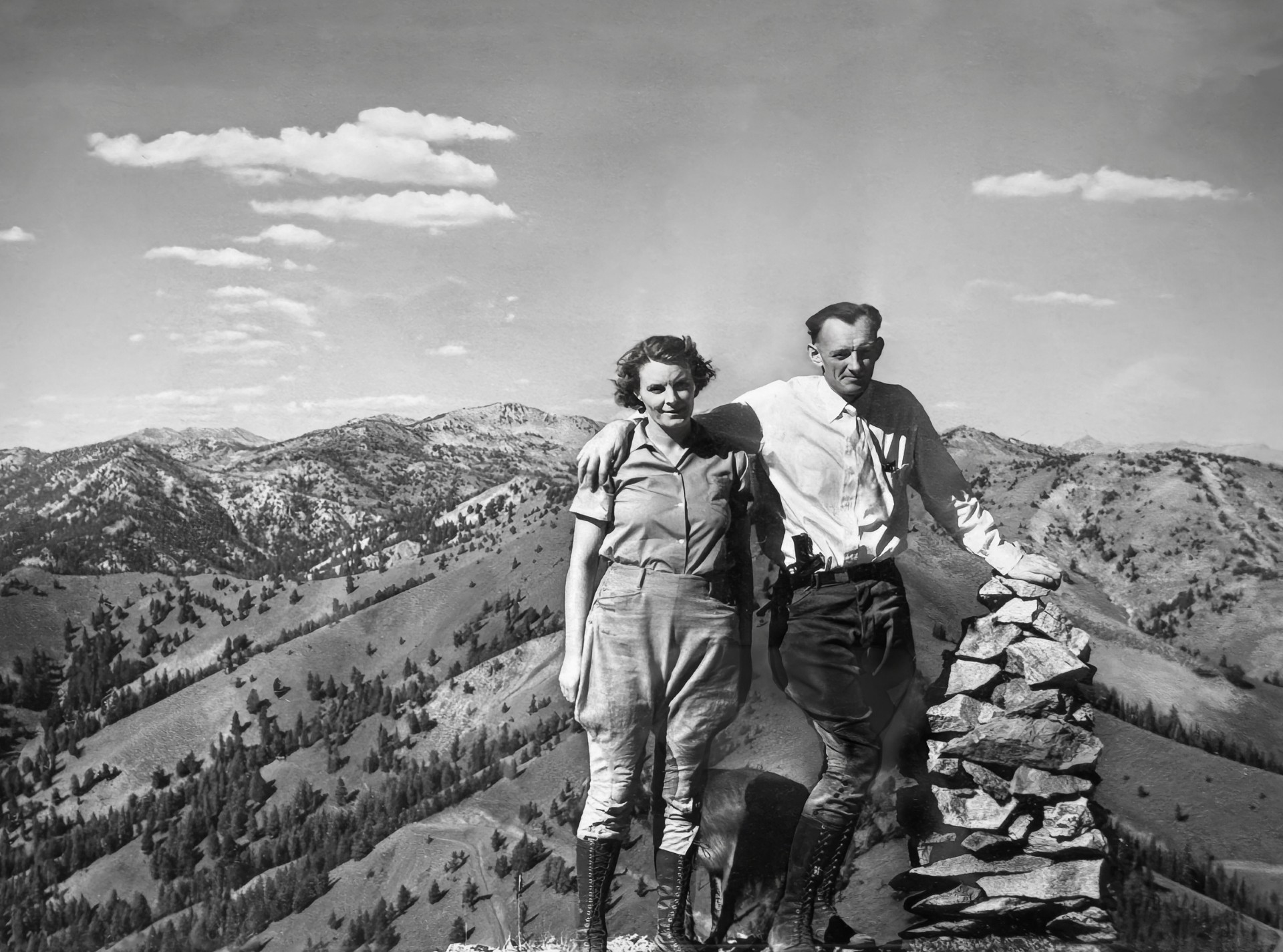
In November 2025, HVHS presented their first exhibition of this photo collection in Gallery 111.
Doc Thayer grew up in western Oregon, interested in cameras and photography from an early age. He was self-taught in the era of box cameras, black and white sheet film and home darkroom. He pursued a career as an electrician but his love was photography and the backwoods of Idaho. When he retired in 1963 he constructed a home in Hagerman along with a photography studio. He expanded his community and photojournalism work and provided photos for newspapers, research projects and historical documents. He continued to seek and chronicle remote places in the PNW. In 1986 Doc and his wife Vernice donated an estimated two thousand 4×5 inch negatives to the HVHS and his friend, Connie Wood. This material comprises the Hagerman Museum’s Thayer Collection.